Contract, engage, tighten, lift, check, engage, contract, tighten….
There is a paradox with exercise. Whatever your sport or hobby your focus will likely be on what you achieve, what you “do”. Coaching or technical instructions will be focused on muscles to tension & strengthen.
Even in Pilates we will say:
“Breathe in …as you breathe out engage your abdominals & pelvic floor….hold and breathe….”
But as well as mastering the art of switching on deep support muscles – you also need to make sure that you also know how to let go. It’s not all about tightening up!
At your next gym session, while running, between tennis points, golf tees, notice whether you take intentional control of the spaces between activity. Can you:
Relax, let go, stretch, release, breathe, stop….
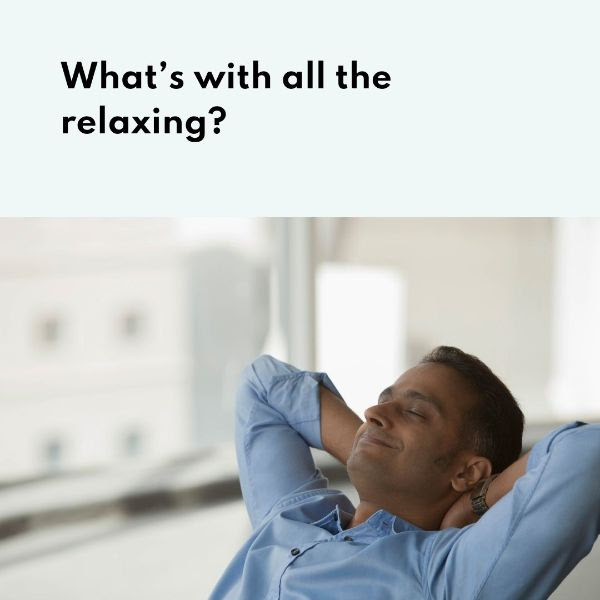
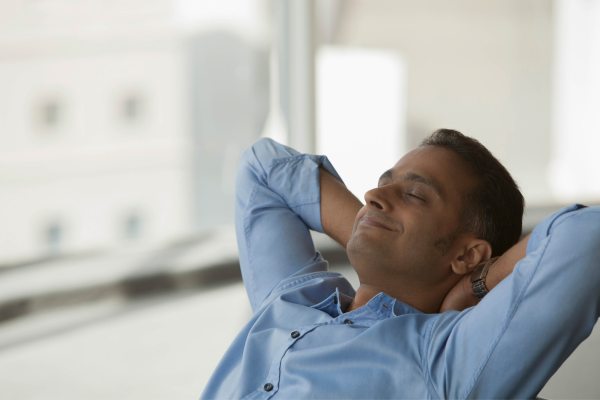
It is important to pay attention to allowing the core muscles to switch off and relax between tasks and exercises. Especially the gluts, lower abdominals and pelvic floor. Allowing muscles to release and return to their rest position is a ‘movement’ too. A vital one. As the Mr Pilates says “change happens through movement, and movement brings healing”.
A ‘grip’ that never ends is not the same as a deliberate contraction with a concious release. Muscles working ALL the time become fatigued and build up lactic acid (that feeling of impending cramp), which can make them sore to touch and painful to stretch. If they constantly work in a habitual position they can be ‘stuck’ in that length.
You will have heard of people saying they have ‘tight’ hamstrings or ‘tight’ shoulders? Did you know you can also have ‘tight’ abdominals or pelvic floor muscles too??
We are now more aware that muscles need to be both strong and flexible. The abdominal & pelvic floor muscles must be able to release to open the bladder and bowel and for comfortable sex. Let me explain more…
Tips to Prevent over-tightening when exercising
- when you practise targeted pelvic floor exercises pay as much attention to the “let go” as to the “tighten up” phase.
- in classes, coached sessions listen out for cues to relax, rest and let go.
- take short rests between exercise sets when lifting or using gym equipment.
- after an intense ‘working’ exercise choose a ‘stretch’ for that include the abdominals & pelvic floor, for example happy baby, hip twists, cobras, front of thigh and inner thigh and childpose
- look for moments to conciously relax and release pelvic tension in your sport eg between points (tennis, squash), walking between golf tees, breaking up a run into sections with stretch intervals.
Release tension around the sit bones to coccyx area. This short video guides the stretch cat/cow into child pose.
If you are prone to carrying tension in your pelvis or know that you are a pelvic floor ‘gripper’, integrate stretches into your daily activities. Here I show some simple stretches for breaking the pattern in your work day. A seated stretch in your chair and a standing deep squat.
What changes have you made?
Is this advice new to you? Or have you tried some of these ideas already? Please share below how your own journey is progressing – especially if you can inspire and motivate other readers.